

-
-
About UsShanghai Shunrui New Materials Co. Ltd. is a professional manufacturer of ground-breaking new materials. The company boasts a team of experienced R&D professionals who continuously increase R&D efforts, adjust product structures, and diversify product offerings to provide high-quality products and comprehensive solutions to domestic and international clients.

-
BlogThe company has a complete quality management system, has passed ISO19001 quality certification, and has also obtained third-party quality certifications in the medical, medical, hotel, outdoor, and commercial fields.

The Eco-Friendly Aspects of Commercial Grade SPC Flooring You Should Know
2026-03-29

The Eco-Friendly Aspects of Commercial Grade SPC Flooring You Should Know
Introduction to SPC Flooring
Commercial grade SPC (Stone Plastic Composite) flooring has gained significant traction in recent years due to its combination of durability, aesthetic appeal, and eco-friendly characteristics. In a world increasingly focused on sustainability, it is imperative to understand how SPC flooring fits into the green building movement. In this article, we will explore the various eco-friendly aspects of SPC flooring, addressing its material composition, installation methods, and long-term environmental benefits.
What is SPC Flooring?
SPC flooring is a hybrid flooring solution composed of a rigid core made from limestone powder, polyvinyl chloride (PVC), and stabilizers. The result is an incredibly durable product that mimics the appearance of natural materials, such as wood and stone, without the ecological drawbacks. SPC flooring is designed for both residential and commercial applications, making it a versatile choice for various environments.
The Composition of SPC Flooring
Understanding the materials used in SPC flooring is essential to grasp its eco-friendly attributes. The primary components include:
- **Limestone:** This naturally occurring mineral forms the bulk of the SPC core, providing strength and stability.
- **PVC:** Although PVC has faced scrutiny for environmental concerns, modern manufacturing processes have significantly reduced harmful emissions associated with its production.
- **Stabilizers and Additives:** Non-toxic stabilizers are used to enhance the durability and lifespan of the flooring, ensuring it remains functional and attractive over time.
Sustainable Sourcing and Production
One of the primary eco-friendly aspects of SPC flooring lies in its sustainable sourcing and production processes. Many manufacturers are now committed to using responsibly sourced materials and implementing eco-conscious manufacturing practices. This includes:
- **Reduced Carbon Footprint:** By utilizing local materials and efficient production techniques, SPC flooring can minimize transportation emissions and energy consumption.
- **Water-Based Adhesives:** Many SPC products utilize water-based adhesives instead of solvent-based options, reducing harmful VOC (Volatile Organic Compounds) emissions.
Durability and Longevity of SPC Flooring
A flooring solution must offer durability to be considered eco-friendly. SPC flooring excels in this regard, boasting a lifespan that often exceeds 20 years with proper care and maintenance. The durability of SPC flooring contributes to its environmental benefits in several ways:
Reduced Waste Over Time
With its long lifespan, SPC flooring minimizes the need for frequent replacements, resulting in less waste generated over time. This is especially important in commercial settings where high foot traffic can quickly wear down other types of flooring, leading to increased waste.
Easy Maintenance and Care
SPC flooring requires minimal maintenance, which further enhances its sustainability. Unlike carpets or wooden floors that may require harsh cleaning chemicals, SPC can be easily cleaned with mild soap and water. This reduces the need for potentially harmful cleaning products that can contribute to environmental pollution.
Design Versatility of SPC Flooring
One of the standout features of SPC flooring is its ability to simulate natural materials, providing the aesthetic appeal of hardwood and stone while maintaining its eco-friendly characteristics.
Aesthetic Options
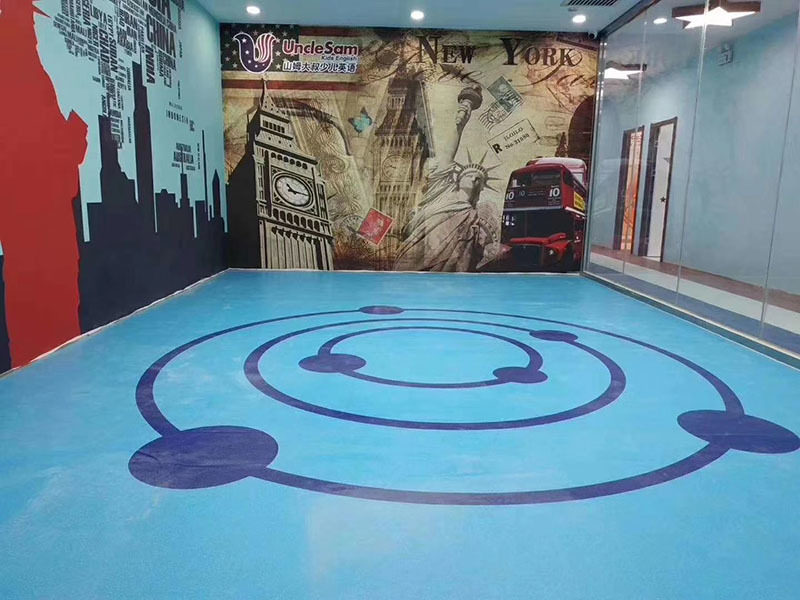
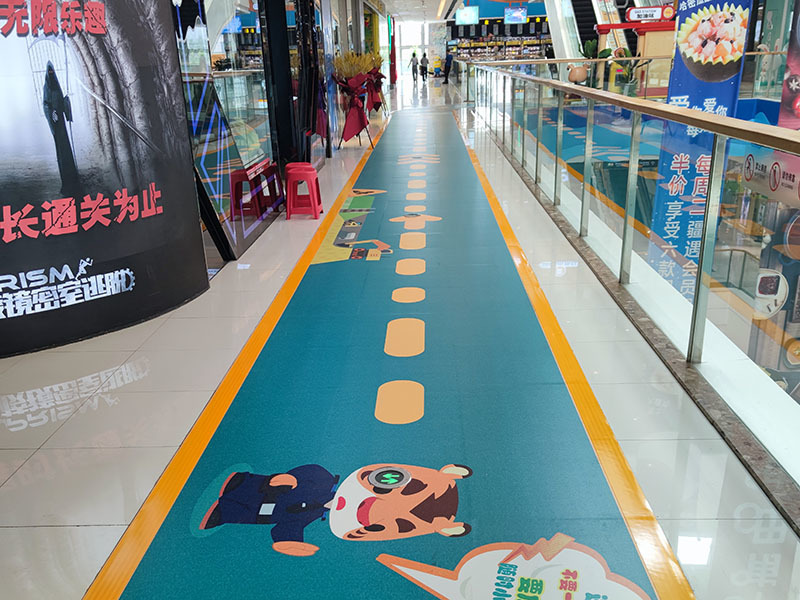
SPC flooring comes in an array of designs, colors, and textures to suit various commercial applications. This versatility allows businesses to create stylish environments without sacrificing sustainability.
Customization and Branding
Businesses can customize SPC flooring to align with their brand identity, promoting an image of sustainability while delivering a high-quality product. This not only enhances the customer experience but also underscores a commitment to eco-friendly practices.
The Health Benefits of SPC Flooring
In addition to its environmental advantages, SPC flooring also offers health benefits for building occupants. The absence of harmful chemicals and allergens makes it a suitable option for various indoor environments.
Low VOC Emissions
Many SPC flooring products are certified to emit low levels of VOCs, contributing to better indoor air quality. This is particularly beneficial in commercial settings like schools, hospitals, and offices, where clean air is vital for the health and well-being of occupants.
Resistance to Mold and Bacteria
SPC flooring is inherently resistant to moisture, making it less susceptible to mold and bacteria growth. This is crucial in maintaining a healthy environment, especially in areas prone to spills or humidity.
Installation Benefits of SPC Flooring
The installation process for SPC flooring further solidifies its eco-friendly reputation.
Click-Lock Technology
Most SPC flooring products feature click-lock installation technology, which eliminates the need for adhesives and reduces installation waste. This method not only speeds up the installation process but also minimizes environmental impact.
Less Noise Pollution
SPC flooring provides excellent sound insulation compared to traditional flooring options. This is particularly beneficial in commercial spaces, as it helps create quieter environments, enhancing overall comfort for employees and customers alike.
Cost-Effectiveness of SPC Flooring
Investing in SPC flooring is not only beneficial for the environment but also for your budget.
Initial Investment vs. Long-Term Savings
While SPC flooring may have a higher initial cost compared to cheaper alternatives, its long-term durability and low maintenance requirements lead to significant savings over time. Businesses will find that the longevity of SPC flooring often outweighs any upfront investments.
Conclusion
In summary, commercial grade SPC flooring presents a compelling case for environmentally conscious businesses seeking sustainable, durable, and attractive flooring solutions. Its composition, durability, aesthetic versatility, health benefits, and cost-effectiveness all contribute to a greener future. By choosing SPC flooring, businesses can showcase their commitment to sustainability while enjoying a high-quality product that meets the demands of modern commercial spaces.
FAQs
1. What is the primary difference between SPC flooring and other flooring types?
SPC flooring combines the benefits of both vinyl and laminate flooring, offering superior durability and moisture resistance compared to traditional options.
2. Is SPC flooring suitable for high-traffic commercial areas?
Yes, SPC flooring is designed to withstand heavy foot traffic, making it an ideal choice for retail spaces, offices, and other busy environments.
3. How do I maintain SPC flooring to ensure its longevity?
Regular sweeping and occasional mopping with a mild cleaner will help maintain the flooring's appearance and durability.
4. Can SPC flooring be installed over existing flooring?
Yes, SPC flooring can often be installed over existing floors, which can save time and reduce waste.
5. Are there any eco-certifications for SPC flooring?
Many SPC flooring products come with certifications such as FloorScore or GreenGuard, which confirm their low VOC emissions and environmental friendliness.
By understanding the eco-friendly aspects of commercial grade SPC flooring, businesses can make informed decisions that benefit both their operations and the environment.
TAG:
Previous:
Contact Us
Email:
buyongsheng8621@163.com
Phone/WeChat:
+86 021-57855108
Address:
Room 506, Building 31, No. 3825, XinZhuan Highway, Songjiang District, Shanghai
Room 506, Building 31, No. 3825, XinZhuan Highway, Songjiang District, Shanghai