

-
-
About UsShanghai Shunrui New Materials Co. Ltd. is a professional manufacturer of ground-breaking new materials. The company boasts a team of experienced R&D professionals who continuously increase R&D efforts, adjust product structures, and diversify product offerings to provide high-quality products and comprehensive solutions to domestic and international clients.

-
BlogThe company has a complete quality management system, has passed ISO19001 quality certification, and has also obtained third-party quality certifications in the medical, medical, hotel, outdoor, and commercial fields.

Innovative Uses for Commercial Grade SPC Flooring in Retail Spaces
2026-07-18

Innovative Uses for Commercial Grade SPC Flooring in Retail Spaces
Table of Contents
- Understanding SPC Flooring: A Brief Overview
- Advantages of Commercial Grade SPC Flooring
- Innovative Applications of SPC Flooring in Retail
- Design Considerations for SPC Flooring in Retail Spaces
- Case Studies of Successful SPC Flooring Implementations
- Installation and Maintenance Tips for SPC Flooring
- Environmental Impact and Sustainability of SPC Flooring
- Future Trends in Retail Flooring: The Role of SPC
- FAQs About SPC Flooring in Retail Spaces
- Conclusion
Understanding SPC Flooring: A Brief Overview
SPC (Stone Plastic Composite) flooring represents a significant advancement in flooring technology, combining limestone and stabilizers to create a rigid core. This innovative product offers a high level of durability and water resistance, making it an ideal choice for commercial environments, especially retail spaces. Unlike traditional vinyl flooring, SPC is designed to withstand the heavy foot traffic typical of retail establishments while providing a visually appealing aesthetic.
Advantages of Commercial Grade SPC Flooring
When considering flooring options, understanding the advantages of commercial grade SPC flooring is crucial for retail space managers and owners. Here are some compelling benefits:
1. Durability and Longevity
Commercial grade SPC flooring is engineered to endure heavy use, making it an excellent choice for busy retailers. Its robust construction ensures it can withstand impacts, spills, and scratches, maintaining its appearance over time.
2. Water and Moisture Resistance
Retail spaces often experience spills and high humidity levels. SPC flooring's water-resistant properties shield it from moisture damage, reducing the need for frequent repairs and enhancing longevity.
3. Easy Installation
SPC flooring features a click-lock installation system, allowing for quick and efficient setup. This minimizes downtime for retailers, enabling them to continue operations with minimal disruption.
4. Variety of Designs
With an array of colors, textures, and patterns, SPC flooring can mimic natural materials such as wood and stone, providing retailers with versatile design options to match their brand aesthetics.
5. Cost-Effectiveness
SPC flooring offers a cost-effective solution for retail spaces. Its durability translates to lower maintenance costs over time, making it a wise investment for business owners.
Innovative Applications of SPC Flooring in Retail
Retailers are continually seeking ways to enhance customer experience and create inviting environments. Here are some innovative uses for commercial grade SPC flooring in retail spaces:
1. Creating Distinct Zones
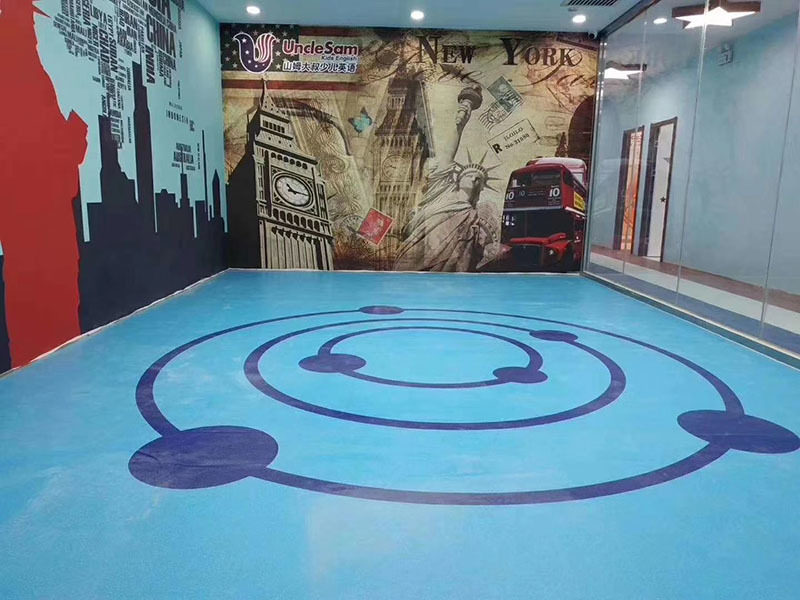
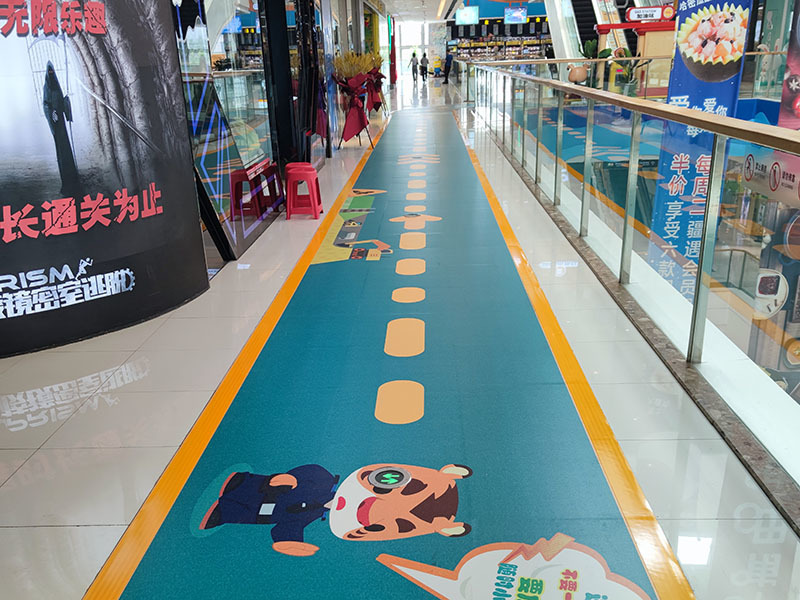
In large retail environments, delineating areas can improve customer flow. Different styles or colors of SPC flooring can define separate zones, such as checkout areas, product displays, or relaxation spots. This strategic use of flooring enhances navigability and creates a cohesive shopping experience.
2. Enhancing Branding and Storytelling
Retailers can use unique SPC designs to reflect their brand ethos. For instance, a nature-focused brand might opt for wood-look SPC to convey warmth and authenticity. Creating a story through design elements draws in customers and enhances their shopping journey.
3. Integrating Technology and Flooring
Smart retail environments can incorporate technology directly into flooring. With the advent of digital flooring solutions, retailers can use SPC floors embedded with sensors for interactive experiences, such as engaging promotions or product information triggered by foot traffic.
4. Acoustical Benefits
SPC flooring can effectively dampen sound, making it an excellent choice for stores that have a bustling atmosphere. By reducing noise levels, retailers can create a more pleasant shopping environment, allowing customers to focus on their purchasing decisions.
5. Seasonal and Promotional Flexibility
Retailers often change layouts for seasonal promotions. The lightweight nature of SPC flooring makes it easy to move and reconfigure, allowing retailers to adapt quickly to changing marketing strategies without extensive renovations.
Design Considerations for SPC Flooring in Retail Spaces
While SPC flooring offers immense advantages, several critical design considerations should be addressed to maximize its potential in retail spaces.
1. Color and Texture Selection
Choosing the right colors and textures is vital. Lighter colors can make small spaces feel larger, while darker tones can create a sense of warmth and intimacy. Texture can also influence the tactile experience, so it’s essential to select a finish that aligns with the store’s overall design philosophy.
2. Lighting and Reflection
Natural light and artificial lighting can significantly impact how SPC flooring appears. Retailers should consider how different lighting conditions affect color perception and reflectivity to create an appealing visual experience.
3. Traffic Patterns
Analyzing customer traffic patterns can inform the layout and design of SPC flooring. High-traffic areas may require more durable finishes, while less frequented sections can focus on aesthetic appeal.
4. Accessibility
Incorporating SPC flooring can improve accessibility for all customers. Ensuring smooth transitions between different flooring types and minimizing obstacles enhances the shopping experience for individuals with mobility challenges.
Case Studies of Successful SPC Flooring Implementations
Examining real-world applications can provide insights into the transformative power of SPC flooring in retail spaces.
1. Fashion Retailer Case Study
A leading fashion retailer successfully implemented SPC flooring in their flagship store, using a warm wood finish to create an inviting atmosphere. The result was a 20% increase in customer dwell time and a notable uptick in sales.
2. Home Goods Store Transformation
A home goods store revamped its layout with SPC flooring to mimic natural stone. The visually stimulating design attracted more customers, leading to a 30% improvement in foot traffic and overall sales.
3. Technology Store Upgrade
A technology retailer integrated interactive SPC flooring into their store, enhancing customer engagement with digital displays. This innovative approach resulted in a 40% increase in customer interactions and positive feedback.
Installation and Maintenance Tips for SPC Flooring
Proper installation and maintenance are essential to maximizing the benefits of SPC flooring in retail spaces.
1. Professional Installation
While SPC flooring offers easier installation compared to traditional options, hiring professionals ensures a flawless finish. They can also address subfloor issues that may arise during installation.
2. Regular Cleaning Practices
Maintaining SPC flooring involves regular sweeping and mopping with suitable cleaning solutions. Avoid harsh chemicals that can damage the surface and affect longevity.
3. Routine Inspections
Periodic inspections for signs of wear, moisture, or damage can help identify issues early. Prompt repairs can prevent more extensive problems down the line.
Environmental Impact and Sustainability of SPC Flooring
Sustainability is a growing concern in retail. Understanding the environmental impact of SPC flooring can inform responsible decisions.
1. Eco-Friendly Materials
Many commercial grade SPC flooring options are made with eco-friendly materials, reducing the environmental footprint compared to traditional flooring. Always check for certifications and sustainability claims.
2. Energy Efficiency
SPC flooring can contribute to a retailer’s energy efficiency goals by maintaining comfortable indoor temperatures, reducing reliance on heating and cooling systems.
3. End-of-Life Considerations
Consider how SPC flooring can be recycled or repurposed at the end of its life cycle. Choosing manufacturers with take-back programs can further enhance sustainability efforts.
Future Trends in Retail Flooring: The Role of SPC
As retail environments evolve, so do flooring trends. SPC flooring is positioned to play a significant role in the future of retail.
1. Smart Flooring Innovations
The integration of smart technology into flooring solutions will likely increase, offering retailers valuable data insights and enhancing customer interactions.
2. Sustainable Practices in Retail Design
As sustainability becomes a priority, retailers will gravitate toward eco-friendly flooring options like SPC, emphasizing the importance of responsible sourcing and manufacturing.
3. Customization and Personalization
Retailers will seek unique flooring designs that reflect their brand’s identity. Customizable SPC options will cater to the demand for personalized retail experiences.
FAQs About SPC Flooring in Retail Spaces
1. What is SPC flooring made of?
SPC flooring is made from a combination of limestone, polyvinyl chloride (PVC), and stabilizers, creating a rigid core that offers durability and water resistance.
2. How does SPC flooring compare to laminate flooring?
Unlike laminate, SPC flooring is waterproof and more durable, making it better suited for high-traffic areas like retail environments.
3. Can SPC flooring be installed over existing floors?
Yes, SPC flooring can often be installed over existing hard floors, provided they are in good condition and adequately prepared.
4. How do I clean SPC flooring?
Regular sweeping and mopping with a gentle, non-abrasive cleaner are recommended to maintain SPC flooring's appearance.
5. Is SPC flooring environmentally friendly?
Many SPC flooring options are made using eco-friendly materials and manufacturing processes, contributing to a reduced environmental impact.
Conclusion
Incorporating commercial grade SPC flooring into retail spaces offers a multitude of benefits, from durability and aesthetic versatility to innovative applications that enhance customer experiences. By understanding its advantages and exploring creative uses, retailers can create dynamic environments that not only attract customers but also foster loyalty. As the retail landscape evolves, SPC flooring stands out as a practical and stylish choice, paving the way for future trends in sustainable and smart retail design.
TAG:
Previous:
Contact Us
Email:
buyongsheng8621@163.com
Phone/WeChat:
+86 021-57855108
Address:
Room 506, Building 31, No. 3825, XinZhuan Highway, Songjiang District, Shanghai
Room 506, Building 31, No. 3825, XinZhuan Highway, Songjiang District, Shanghai